
Soltek Blog
Soltek has been serving the Austin area since 2019, providing IT Support such as technical helpdesk support, computer support, and consulting to small and medium-sized businesses.
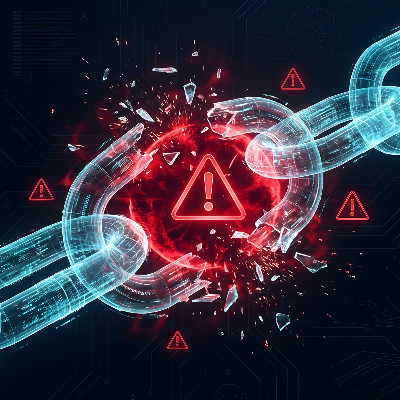
Imagine walking out of your office at the end of the day. You check that the front door is locked, ensure the windows are shut, and set the alarm. You can physically see these security measures keeping your business safe, but what about the back door to your digital network?
For small and medium-sized businesses, cybersecurity often suffers from an out of sight, out of mind problem. While visible security gaps, such as an aging server or a missing company laptop, get immediate attention, hidden vulnerabilities quietly accumulate behind the scenes. Understanding the difference between what is visible and what is hidden is the key to protecting your business from costly surprises.
0 Comments

Think about your morning routine. You sit down with your coffee, open your inbox, and start clearing out the noise. Among the newsletters and internal updates, you see an urgent notification: a vendor invoice is overdue, a cloud storage subscription failed to renew, or a major shipping provider needs you to confirm delivery details.
The branding looks correct. The email address seems familiar. You click the link, log in to resolve the issue, and move on with your day.
Minutes later, a silent crisis begins.

We’ve all been there, that one "reliable" old server in the closet or that specific software program that requires a secret handshake and a prayer to open. In many small businesses, technology is treated like a kitchen appliance: if it still turns on, it’s fine.
Here’s the reality: unlike a toaster, technology doesn't just work until it breaks. It slowly decays, becoming a silent growth killer. It doesn't announce its departure with a bang; instead, it quietly nibbles away at your profits, your team's morale, and your security.

In the early days of a business, a few folders on a shared drive or a handful of personal accounts usually get the job done, but as your team grows, so does the "digital friction." You’ve likely felt it: searching for a file you know exists but can't find, or realizing two people have been editing different versions of the same proposal for three hours.

Every day, your small-to-medium business handles sensitive information: customer names, credit card details, employee records, and vendor contracts. This data is valuable, not just to you, but to the hackers and regulators who are paying attention. The old idea that "only big companies get audited" is completely outdated. Data privacy compliance has moved from a niche legal issue to a core operational requirement for every SMB owner and manager.
News & Updates
Soltek is proud to announce the launch of our new website at www.soltek.io. The goal of the new website is to make it easier for our existing clients to submit and manage support requests, and provide more information about our services for ...
Understanding IT
Get the Knowledge You Need to Make IT Decisions
Technology is constantly evolving, and keeping up can feel overwhelming. Whether you want to understand cybersecurity threats, explore automation, or learn how regulations like PCI DSS impact your business, we’ve made it easy to access clear, straightforward insights on key IT topics.